

Jun 29th 2026
How to Build Your First AR-15
A Complete Beginner's Guide
Building your first AR-15 is one of the most rewarding projects a firearm enthusiast can take on. Not only do you gain a deeper understanding of how your rifle functions, but when you are building your rifle, you also get to customize every component to match your intended use, whether that's home defense, competition shooting, hunting, or range days.
The AR-15 platform is incredibly modular, making it easy for first-time builders to assemble a reliable rifle with the right parts and tools. If you're wondering how to build your first AR-15, this guide covers everything you need to know—from choosing parts to final assembly.
Why Build an AR-15 Instead of Buying One?
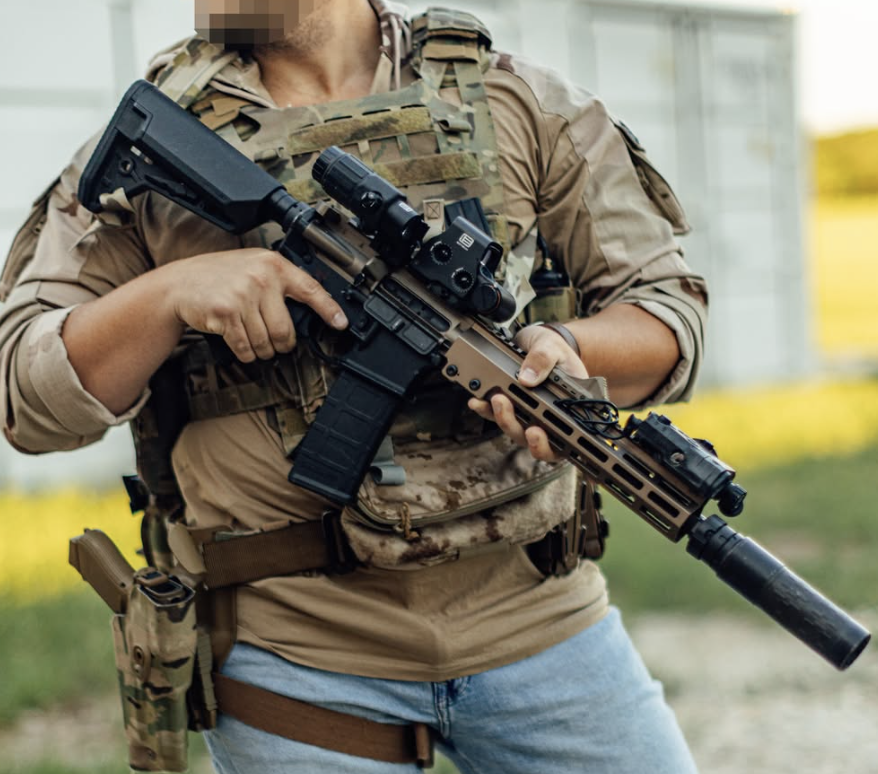
While there are many excellent factory-built rifles available, building your own offers several advantages.
Complete Customization
Building your AR platform out allows you to make your rifle to your liking and use case, such as long range or close quarters. Instead of replacing factory components later, you can select the exact:
- Barrel length
- Handguard
- Trigger
- Stock
- Grip
- Charging handle
- Optic setup
- Sling attachments
This allows you to create a rifle that perfectly matches your shooting style.
Learn How Your Rifle Works
Building an AR-15 teaches you how each component interacts, making future maintenance, troubleshooting, and upgrades much easier.
Potential Cost Savings
Depending on your component choices, building can sometimes cost less than purchasing a similarly equipped factory rifle while providing higher-quality parts.
AR-15 Parts You'll Need
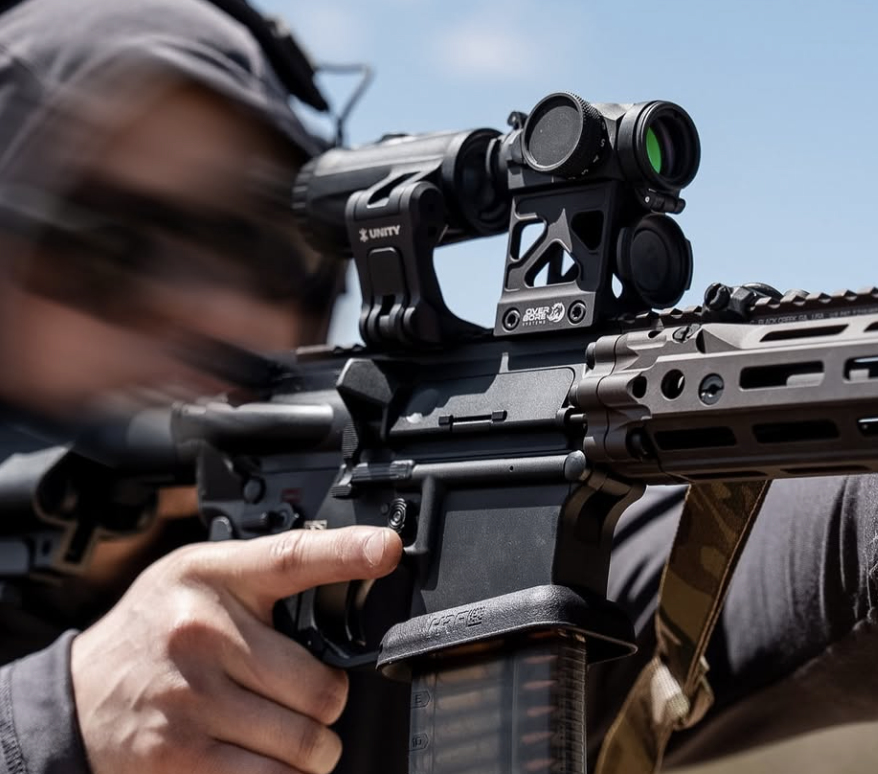
Every AR-15 consists of two major assemblies:
Lower Receiver
The lower receiver houses the rifle's fire control components and is the serialized firearm.
Parts include:
- Stripped lower receiver
- Lower parts kit
- Trigger assembly
- Safety selector
- Magazine catch
- Bolt catch
- Buffer tube
- Buffer spring
- Buffer
- Castle nut
- End plate
- Stock
- Pistol grip
Upper Receiver
The upper part of an AR-15 contains the operating system and barrel.
Components include:
- Upper receiver
- Forward assist
- Dust cover
- Barrel
- Gas block
- Gas tube
- Handguard
- Muzzle device
- Bolt carrier group (BCG)
- Charging handle
Essential Tools
Having the proper tools makes assembly significantly easier.
Recommended tools include:
- Bench vise
- Upper receiver vise block
- Armorer's wrench
- Torque wrench
- Roll pin punches
- Small gunsmithing hammer
- Needle nose pliers
- Hex keys
- Blue thread locker (where appropriate)
Using quality tools helps prevent scratches and damaged components during assembly.
Step 1: Assemble the Lower Receiver
Many first-time builders begin with the lower receiver because it's relatively straightforward.
Install the following in order:
- Magazine catch
- Bolt catch
- Pivot pin
- Trigger group
- Safety selector
- Pistol grip
- Buffer retainer
- Buffer tube
- Castle nut
- End plate
- Stock
Take your time during this step, as small springs and detents can easily launch across the room.
Step 2: Assemble the Upper Receiver
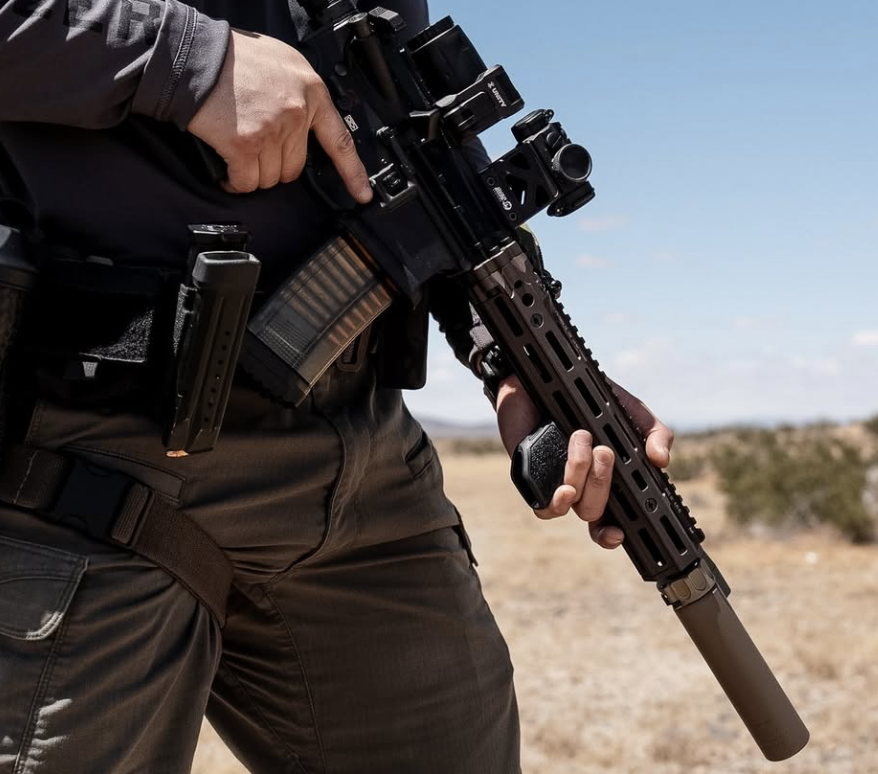
The upper requires a bit more precision, particularly when installing the barrel.
The general order is:
- Install the forward assist
- Install the dust cover
- Install the barrel
- Torque the barrel nut to specification
- Install the gas block and gas tube
- Install the handguard
- Install the muzzle device
- Insert the charging handle and bolt carrier group
Always follow the manufacturer's torque specifications during assembly.
Choosing the Right Barrel
Your barrel largely determines how the rifle performs.
Popular options include:
16-Inch Barrel
- Most versatile
- Excellent for general-purpose rifles
- No NFA paperwork required
14.5-Inch Barrel (Pinned & Welded)
- Slightly lighter
- Improved maneuverability
- Requires permanent muzzle device to reach legal length
18-20 Inch Barrel
- Better long-range performance
- Ideal for precision shooting
Most first-time builders will find a quality 16-inch barrel to be the best option.
Selecting a Handguard
Modern free-float handguards improve both accuracy and customization.
M-LOK handguards have become the industry standard because they:
- Reduce weight
- Allow direct accessory mounting
- Offer a slim profile
- Improve ergonomics
Choose a handguard length that complements your barrel while leaving room for your muzzle device.
Choosing the Right Bolt Carrier Group
The bolt carrier group is one of the hardest-working components in the rifle.
Look for features such as:
- Carpenter 158 or 9310 bolt
- Proper heat treatment
- MPI testing
- Shot peening
- Chrome-lined gas key
- Properly staked gas key screws
Investing in a quality BCG greatly improves long-term reliability.
Don't Forget the Accessories
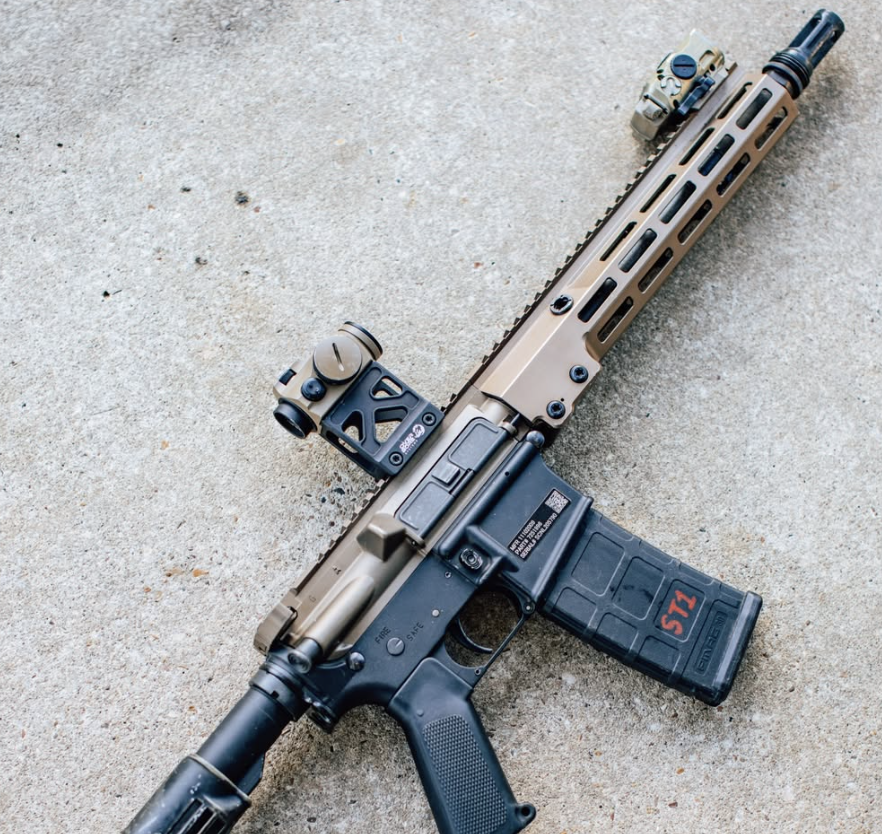
Once the rifle is assembled, it's time to outfit it with practical accessories.
Recommended upgrades include:
Weapon Light
A quality weapon light is essential for home defense and low-light shooting.
Sling
Every rifle should have a quality two-point sling for safe carry and improved stability.
Installing a low-profile M-LOK QD sling mount provides a secure attachment point while keeping the rifle streamlined.
Optic
Popular choices include:
Choose an optic that matches your intended use.
Backup Iron Sights
Even with an optic, backup iron sights provide additional peace of mind.
Function Check Before Shooting
Before heading to the range, perform a complete function check.
Verify:
- Safety operates correctly
- Trigger resets properly
- Magazine inserts and releases smoothly
- Bolt locks open
- Charging handle cycles freely
- No loose hardware
Double-check that all screws and fasteners are torqued according to manufacturer specifications.
Buy Quality Parts the First Time
A common mistake among first-time builders is purchasing the cheapest components available.
Reliable rifles start with quality parts from trusted manufacturers.
Investing in premium barrels, bolt carrier groups, charging handles, handguards, and accessories often saves money in the long run by reducing failures and unnecessary upgrades.
Build Your AR-15 with Confidence
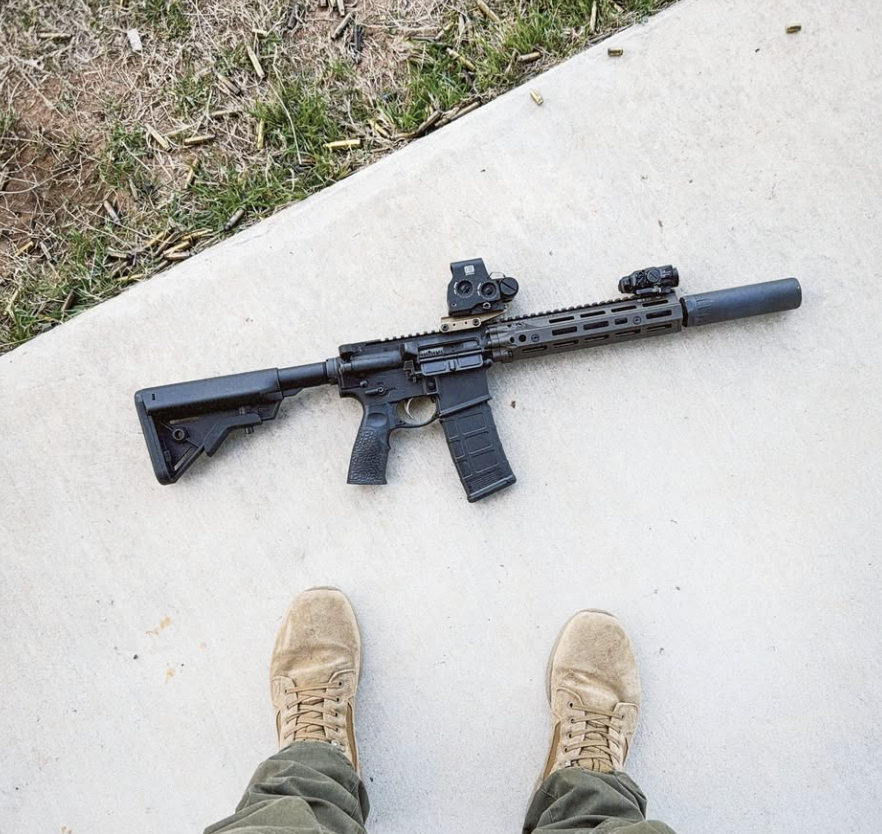
Building your first AR-15 may seem intimidating, but with the right parts, proper tools, and a little patience, it's an achievable project for almost any firearm enthusiast. The modular nature of the platform makes assembly straightforward, while the ability to customize every detail from attachments like lasers to the gun itself results in a rifle tailored specifically to your needs.
Whether you're assembling a home defense carbine, a truck gun, range rifle, or competition build, starting with dependable components is key to long-term reliability and performance.
At Defense Distributors, you'll find a carefully curated selection of premium AR-15 parts and accessories from trusted manufacturers, including handguards, charging handles, sling mounts, weapon lights, optics, and other upgrades to help you build your first AR-15 the right way.
Be sure to follow Defense Distributors on Instagram and follow us on Youtube!