
-

-

-

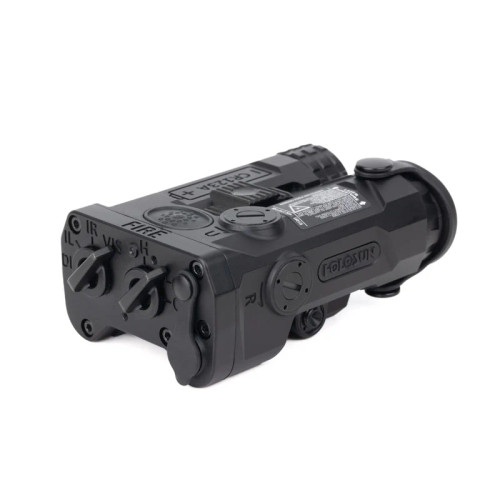
Holosun IRIS-3 Laser
$899.98In Stock -
Sold Out

-
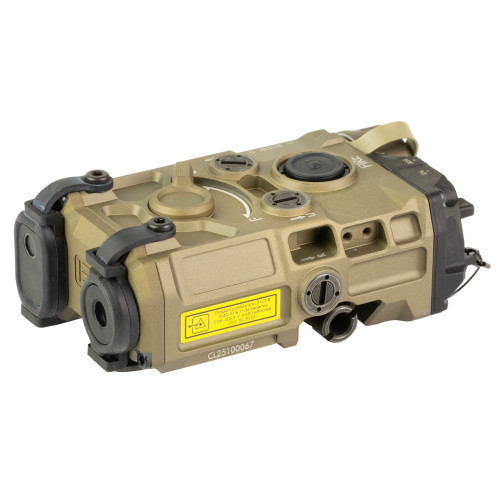
Eotech OGL Laser - Civilian Power
$1,998.98In Stock -
Sold Out

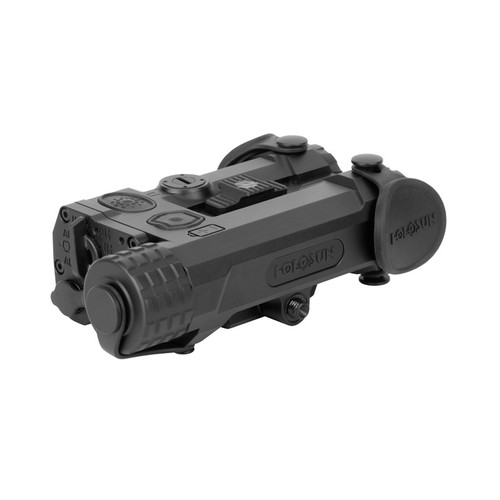
Holosun IRIS-4 Laser
$999.98
IR Lasers & Aiming Devices for Night Vision
Infrared aiming lasers and illuminators for shooting under night vision, from the compact GL4 Pro to Holosun's IRIS line and the EOTECH OGL.
IR Lasers & Illuminators — What to Know (click to expand)
When you're operating under night vision, your optic many times is no longer your primary. Your laser is.
These IR lasers and illuminators are built for aiming and identifying targets in the dark — without relying on white light or traditional optics. Most units combine an infrared laser for passive aiming and a visible laser for daylight or emergency use, giving you options no matter what environment you’re in.
Whether you're running a dual tube, a monocular, or building your first NV-capable rifle, this gear allows you to shoot, signal, and identify without giving away your position. It’s a critical piece of any low-light loadout where precision and discretion matter.
See what others can’t with certainty. Shoot without compromise.
Choosing an IR laser
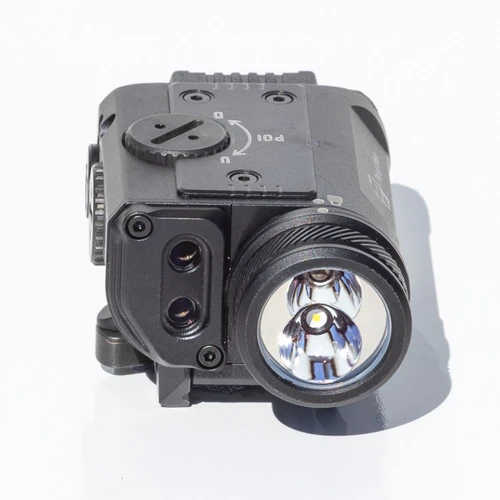
The main split is size versus output. The GL4 Pro is the compact option: a visible green laser, IR laser and IR illuminator in a housing small enough for short rifles and suppressed setups. The Holosun IRIS-3 is a larger laser aiming device that pairs a visible laser and IR laser with a 60mW VCSEL IR illuminator. The IRIS-4 adds a 1,000-lumen white light, so it can replace your weapon light too. The EOTECH OGL is the civilian-power version of EOTECH's compact on-gun laser and illuminator.
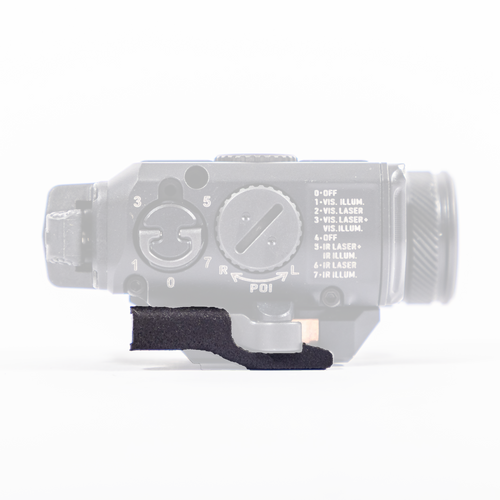
If you run a GL4 Pro, the SureFire RSR remote switch and QD lever lock are made for it.
An IR laser only does anything if you have night vision to see it. If you don't have NODs yet, start in Night Vision & Thermal.
Why are IR lasers and illuminators critical for night vision setups?
When you're running night vision, your optic usually isn’t your primary — your laser is. IR lasers and illuminators give you the ability to aim and identify targets under NODs without using white light or exposing your position. A dedicated IR laser provides a precise aiming point, while an IR illuminator adds context and depth in complete darkness. Even when passive aiming, a target without illumination can be impossible to see and require an IR illuminator. Most of these units also include a visible laser for daytime use or emergency transitions. If you're serious about low-light or no-light performance, IR lasers are a foundational tool — not an accessory.
Frequently Asked Questions about Lasers & IR Devices
- What’s the difference between an IR laser and an IR illuminator?
- An IR laser provides a tight aiming point under night vision, while an IR illuminator acts like a flashlight in the infrared spectrum — lighting up a wider area to help you see targets, terrain, or threats under NODs.
- Can civilians legally own IR lasers?
- Yes — US citizens can legally own IR lasers, but some models are restricted or limited to law enforcement and military. These models can still be purchased and resold on secondary markets, but not direct from the manufacturer.
- Why do most IR lasers include a visible laser too?
- Visible lasers offer a fast aiming solution in daylight or transitional lighting. They're also useful as a backup aiming method if your night vision fails or if you're operating in a non-NV environment.
- Do I still need a white light if I’m using IR devices?
- Yes. IR lasers and illuminators are only effective under night vision. You’ll still need a white light to identify threats or navigate in low-light when you're not under NODs — or if you need to operate visibly with others.
- Can I zero my IR laser during the day?
- You can rough-zero an IR laser using its visible laser if the unit is slaved, but a true zero should always be confirmed under night vision in low light. Some shooters use a mirror or IR laser-specific targets to do this more efficiently.
- What’s the best mounting position for an IR laser?
- Most IR lasers are mounted at the 12 o'clock position to align with the bore and allow for ambidextrous activation. Just make sure the unit clears your front sight or accessories and that your activation method is reliable under stress.
- Are dual-laser units better than standalone IR lasers?
- Dual-laser units offer both IR and visible aiming in one device, which simplifies mounting and reduces footprint. However, standalone IR lasers can sometimes provide better beam quality or modularity depending on your setup.
- Can IR lasers be seen by the naked eye?
- No — IR lasers are invisible to the naked eye. However, they can bloom or splash when viewed through night vision, and certain conditions like fog or smoke can make the beam path visible under NODs.