
-

Sig Romeo 5 Gen 2 Red Dot – Compact 2 MOA Optic with MOTAC
$199.99$149.98In Stock -


Holosun Ronin AEMS Max Red Dot – Wide Window with MRS & Shake Awake
$635.28$539.98In Stock -

Unity Tactical FAST Optics Riser
$94.98In Stock -
Sold Out


Overbore Systems SALT Riser
$94.98 -
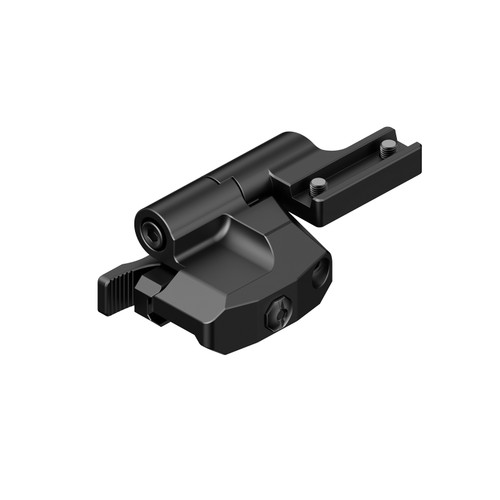
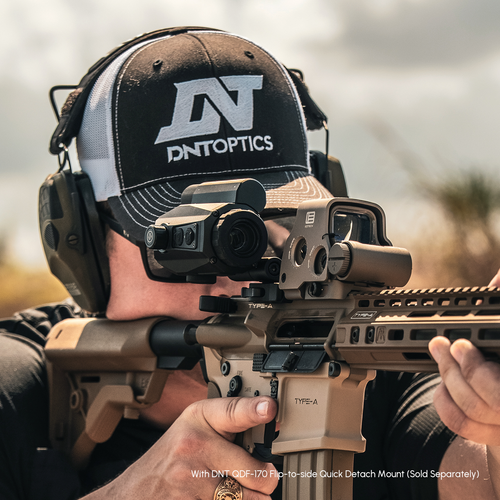
DNT Optics QDF170 Flip-to-side QD Mount for NVMD-C200
$164.98In Stock -
Sold Out


iRay Quick Detach Picatinny Adapter Mount
$219.99$199.98 -
Sold Out

Unity Tactical Flip To Center FAST FTC Magnifier Mount
$279.00$263.98 -
Sold Out

-

CovertArms Steiner MPS ARD
$39.98In Stock -

CovertArms Aimpoint Micro ARD
$34.98In Stock -

Overbore Systems Night Height Micro Mount – 2.33" for Passive Aiming
$139.98In Stock -

CovertArms Holosun 507K/407K ARD
$39.98In Stock -

Holosun SCS-M-GR Solar Charging Green Dot for Glock MOS
$411.75$307.99In Stock -

Holosun DRS-TH Red Dot with Thermal
$1,882.34$1,599.98In Stock -
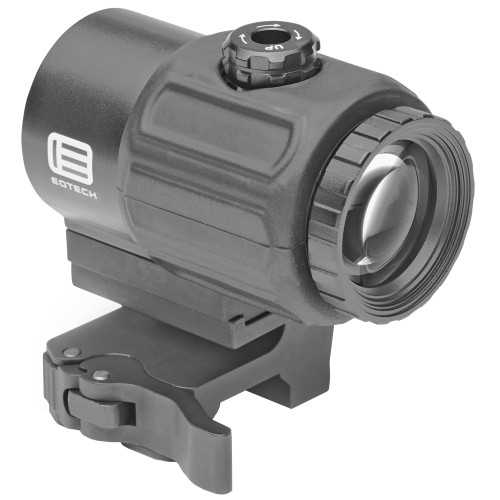
Eotech G43 Magnifier
$559.00$549.98In Stock -


Eotech HWS XPS2 Series
$655.00$649.98In Stock -
Sold Out


iRay AC55 Flip To Side Quick Detach Mount
$389.99$349.98 -

Eotech G33 Magnifier
$535.00$524.98In Stock -

Holosun 510C Red Dot
$364.69$299.98In Stock -

CovertArms Holosun 507Comp ARD
$39.98In Stock
Why are optics one of the most important upgrades for any rifle?
Optics give you the ability to aim faster, see clearer, and engage targets with more confidence — especially under stress. Red dots allow for rapid target acquisition up close. LPVOs give you reach without giving up speed. And magnifiers bridge the gap between them. No matter what you run, your optic becomes your primary point of reference when everything is moving fast. A good mount keeps that optic locked in place, at the right height, and zeroed under pressure. Together, optics and mounts form your rifle’s aiming system — and that system is what lets you make fast decisions with accuracy and control.
Frequently Asked Questions about Optics and Mounts
- What’s the best optic for a home defense rifle?
- A red dot is the most effective option for close-quarters and home defense. It allows you to aim with both eyes open, acquire targets quickly, and maintain awareness in confined or fast-moving environments.
- Do I need a magnifier with my red dot?
- Not always — but it adds range and clarity for mid-distance shots. A 3x magnifier behind a red dot lets you positively ID targets beyond CQB ranges without switching optics or reconfiguring your rifle.
- What makes an LPVO different from a red dot?
- LPVOs (Low Power Variable Optics) offer 1x to 6x, 8x, or even 10x zoom. At 1x they behave like a red dot; at higher magnification they give you the precision needed for longer shots. Great for mixed-distance shooting, but heavier and slower than a true red dot.
- Does the mount really matter for optics?
- Absolutely. A cheap or misaligned mount can cause zero shift, poor eye relief, or mounting failures. A quality mount ensures your optic stays exactly where you put it — even under recoil, impact, or movement.
- What is the best optic height for tactical setups?
- For red dots, 1.93" is becoming the standard for faster target transitions, better posture, and compatibility with night vision. Lower 1/3 or absolute co-witness work well too — especially if you’re using irons as a backup.
- Should I choose a fixed mount or quick-detach (QD) mount?
- Fixed mounts offer maximum durability with no moving parts. QD mounts let you remove or swap optics fast and often return to zero if reinstalled properly. Choose based on how often you plan to reconfigure your setup.
- Can I run a red dot and magnifier with backup iron sights?
- Yes — as long as your optic and magnifier are mounted at the same height and leave space for your irons. Flip-up sights and lower 1/3 co-witness risers help everything coexist cleanly.
- Do mounts come in different heights for different use cases?
- Yes. Mounts come in various heights to match different optic types, shooting postures, and gear setups. Higher mounts are great for night vision and passive aiming; lower mounts work better for precision or traditional sight alignment.