
Posted by Defense Distributors on Sep 22nd 2026
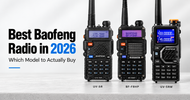
Best Baofeng Radio in 2026: Which Model to Actually Buy
The actual radio buying problem in 2026
Most "best Baofeng" lists fail because they blur three decisions into one: budget, use case, and setup discipline. If you only ask for "the best," you usually pay for features you never configure, or you buy the cheapest option and blame the radio for setup errors.
Pick the model that matches your next six months of use. Are you learning basic VHF/UHF operation with local repeaters, building a family emergency kit, or carrying a daily comms radio that gets knocked around?
Those are different jobs. This guide covers where common Baofeng options fit, where each is the wrong choice, and what to buy first if you want the fewest regrets.
Start with mission and environment, not the feature list
A handheld radio's performance is constrained mostly by environment and antenna efficiency, then by your operating habits. Concrete walls, terrain, and antenna placement will change real-world range more than one extra menu feature.
Before choosing a model, define your primary operating pattern. Example: local repeater check-ins once per week plus occasional neighborhood simplex, vehicle-to-foot coordination inside one property, or event comms where controls must stay usable with gloves.
If you cannot describe what channel plan you will run, what battery routine you will keep, and where you will actually transmit from, prioritize a radio that is simple to program and cheap to replace. That approach reduces cost while you learn what limits you in your own area.
Best first buy for most people: UV-5R
For most buyers, the Baofeng UV-5R Dual Band UHF/VHF Radio is still the correct first purchase. The reason is ecosystem and friction, since the UV-5R platform has broad accessory compatibility, common programming workflows, and enough capability to learn practical radio habits without paying for features you do not yet use.
It fits as a first handheld for ham licensing prep, local repeater use, and basic preparedness communication plans. It is the wrong fit for users who need hard-use durability or advanced multi-band requirements on day one.
If you buy this model first, spend your effort on procedure. Build a channel plan, program it cleanly, label channels clearly, test from real locations, and run a monthly battery and antenna check.

Step up option when you need more transmit confidence: BF-F8HP
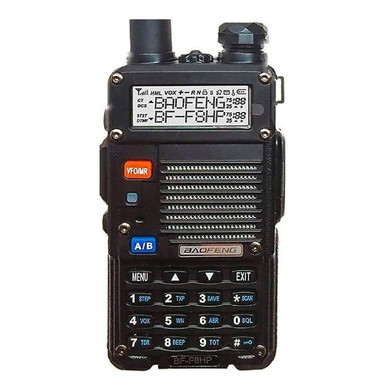
If you already operate in tougher simplex conditions and want more headroom from the radio body itself, the Baofeng BF-F8HP Dual Band Handheld Radio is a logical step. The value here is not that more power fixes everything, but that it gives you margin when conditions are already imperfect.
Terrain and antenna position still dominate outcomes. More transmitter power can help at the edge, but it does not cancel poor line-of-sight or sloppy channel discipline.
Think of this model as an upgrade for known, repeatable use where your setup is already stable. The wrong reason is "I want the most powerful one," and the right reason is "I already run a stable channel plan and want extra margin in my known operating area."
Better durability and handling: UV-5RM
If your radio will live in kit and see rough handling, the Baofeng UV-5RM Dual Band UHF/VHF Radio – Rugged UV-5R Upgrade is often the smarter buy than chasing raw transmit specs. Controls, body feel, and practical toughness are what keep a radio usable when conditions are not clean.
This is a good option for users who liked the UV-5R concept but want a more confidence-inspiring platform for routine carry. You keep a familiar dual-band workflow while improving day-to-day handling.
Hardware can survive rough use, but it cannot fix unlabeled channels, weak battery habits, or poor programming. Build procedure first, then pay for toughness if your usage demands it.

The upgrade that often matters more than model
Most users gain more from a better antenna and cleaner operating routine than from jumping radio tiers. A handheld is a system made of the radio, antenna, position, channel plan, and operator behavior, so one weak part drags the whole outcome down.
A practical improvement is an Extended Flexible Antenna for Baofeng Radios when your stock setup is the limiting factor. This helps most after you already validated frequencies and locations but still see inconsistent simplex performance.
Pair that with repeatable checks. Use the same transmit spot, the same test contact, similar times of day, and short notes on what changed so you can separate real equipment gains from random variation.

What to do next
If you are new, buy UV-5R first, then improve programming discipline and antenna setup before buying a second radio. If you already operate regularly and need more margin, move to BF-F8HP, and if your environment is hard on equipment, prioritize UV-5RM durability.
Then run a 30-day process. Week 1 is build and verify your channel plan, week 2 is test from real operating locations at consistent times, week 3 is fix weak points that are usually antenna setup and transmit position, and week 4 is decide whether your limits are procedure, environment, or hardware.
That sequence gets better results than buying multiple radios and hoping one fixes everything. Pick the model that matches your actual job, run it with discipline, and upgrade only when your notes show a specific bottleneck.